

For “Introduce Yourself” week, I’m going to chat a little bit about my job in animal sheltering.
Small content warning. I’m not going to get into details, but I can’t explain being part of a “No-Kill Community” without mentioning animal euthanasia.
I’m always of two minds when writing about work. On the one hand, most people don’t want to hear about other people’s jobs. On the other hand people who DO want to hear about it REALLY want to hear about it due to shared experiences or curiosity. And since I’m back in the animal welfare sector, it’s a topic not everyone is familiar with.
So, when I say I work at a large, open-intake, private non-profit animal shelter that’s part of a No-Kill community, what do I mean?
Well, the open-intake part means we’re not one of the specialized rescues who choose which animals we take in. We contract with the county to take in stray animals for our county and we try to say “No” as rarely as possible to folks needing to surrender their pets. More on that in a bit.
We are not government run or funded, hence the private nonprofit bit. Animal Control works independently from us, as opposed to some other shelters where the two are part of the same organization. We try to work with them as much as possible, and we are the place they bring the animals to, but we’re two different entities.
“No-Kill Community” relates to an idea in sheltering that there are no true “No-Kill” shelters and that animal welfare requires a community effort from everyone. There’s a lot of discourse around the topic that most folks probably aren’t interested in. But to generalize: animal shelters are not meant to be animal warehouses, any animal you don’t or can’t take in is an animal that might stretch the resources of a different shelter, and truly untreatable animals deserve a humane end-of-life rather than suffering indefinitely.
With that said, a side effect of “No-Kill” initiatives is if you don’t euthanize for space, sometimes you run out of space. Unfortunately, quite a few shelters (including my own), have had to place themselves on full or partial intake moratoriums recently due to physically not having the capacity to care for more animals.
Sometimes, there are pets we cannot in good faith pledge to care for humanely and safely due to health or behavior issues. We try to offer alternatives for owners in those cases, but I can’t lie and say it’s not hard. We’re in this profession because we want to help animals and people, after all..
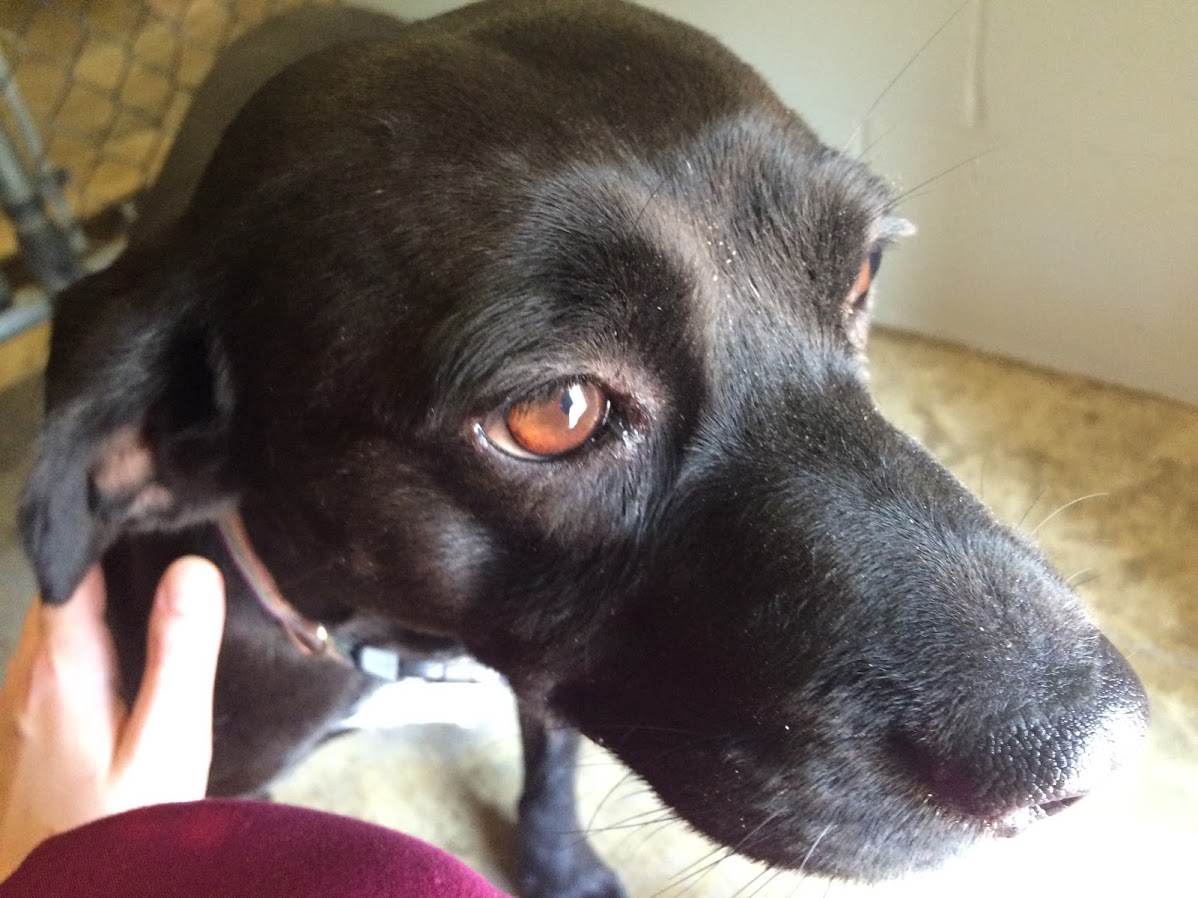
The pandemic has done a lot of wonky things to pet care and animal welfare in general. For a while, there were more people taking in new pets! But, there have also been people losing jobs or needing to relocate and suddenly needing to rehome pets. Some new pets did not receive proper socialization in their early years, resulting in behavior problems when they grew up. A lot of Spay/Neuter programs closed temporarily or permanently. There’s been a national veterinary professional shortage for some time now in the US. It’s been a lot, and continues to be.
Now, as to what I do all day.
A lot?
I used to work at a much smaller shelter where everyone did a bit of everything. We had about 5 employees total, including the director. My current shelter is much larger, and has multiple departments, but I work in an area that covers a lot of different things.
I work in what we call the Animal Resource Center, which includes:
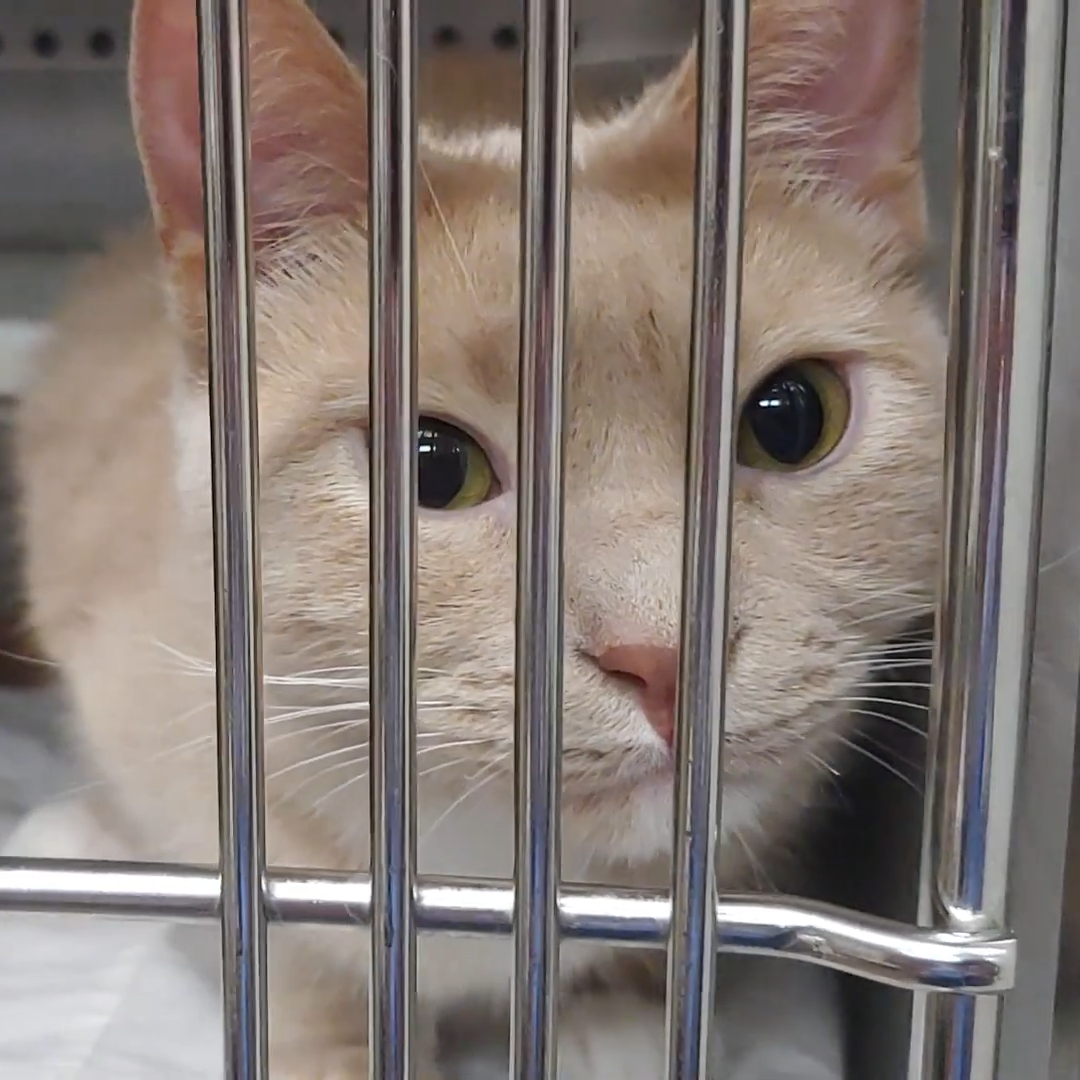
- Animal care (mostly cats, but we can and do get pulled for other areas)
- The Trap Vaccinate Alter Return program for feral cats (TVAR, aka TNR)
- Citizen Stray intake
- Owner Surrender intake
- Returned Pet intake
- Check in for various service appointments
- Pet Food Bank
- Pet Retention/Surrender Assistance calls and emails
- Lost and Found Pets
- Tracing microchips for found pets and trying to contact owners
- General inquiry calls/emails that get routed to us
- Appointment set up for various services
- Assisting the Foster Team as needed
- The always popular “other duties as needed”
- Oh, and basic cleaning of the facility, money handling, front desk stuff, etc.
It’s a lot, and keeps us very very busy, as you can likely imagine. For a sense of scale, the last time I looked at our numbers we were responsible for almost 700 animals, and that’s after we’ve had to be on moratorium for a while now. They aren’t all on campus – the total includes fosters and other off site pets – but it’s still quite a lot.
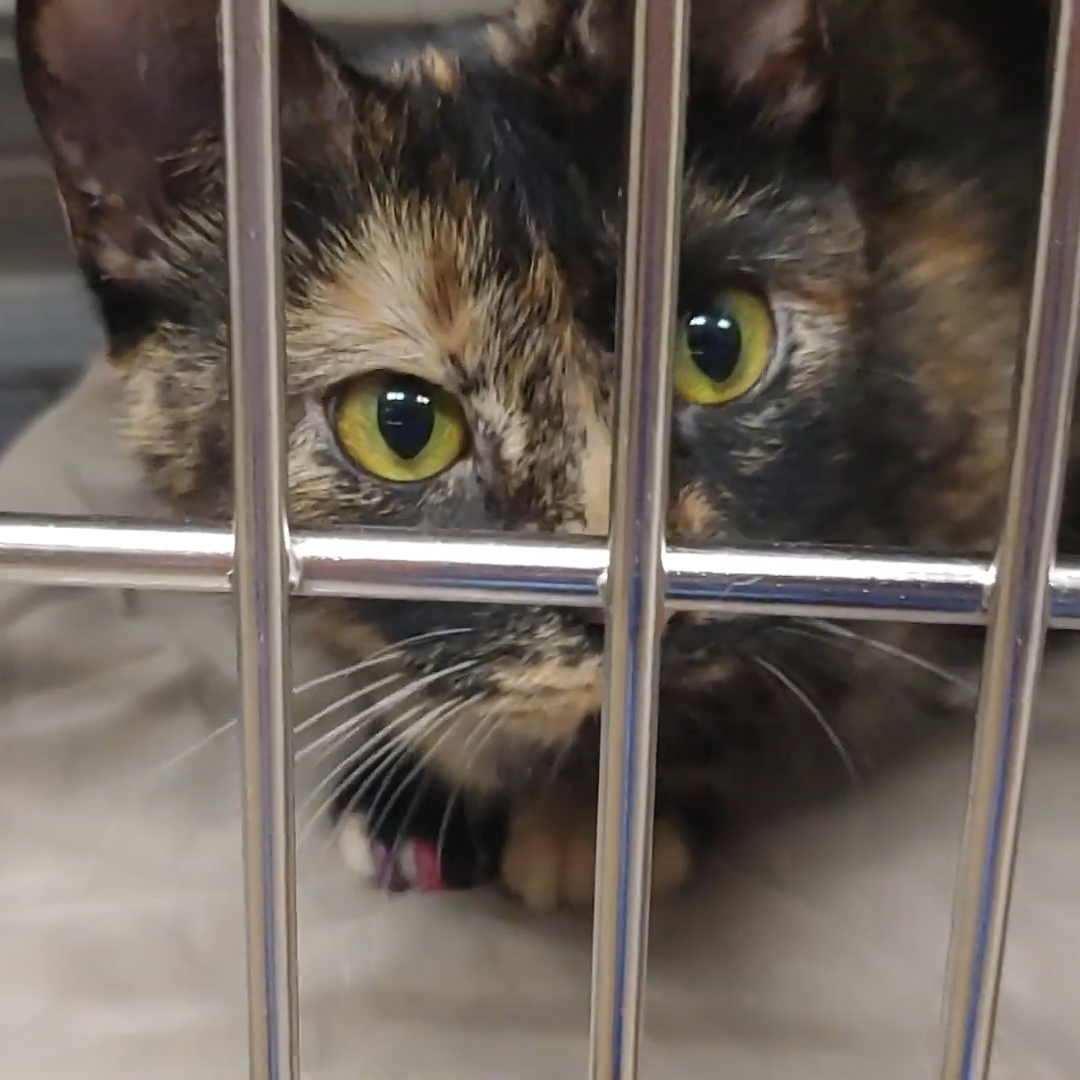
My department itself is often hectic. We take in owner surrenders by appointment in order to manage our intake and make sure we are able to humanely care for the animals we are responsible for. But any time we are open (and sometimes when we aren’t) there are always people and animals who need help. We never know when someone with a found mom and 8 kittens, someone moving away and unable to bring their 3 dogs, someone with a sick foster kitten, someone with a question about TVAR, someone who found a cat who might have been hit by a car, and someone looking for their lost pet will arrive. And yes, I say “and,” not “or.” As in, all at the same time.
I joke sometimes that it’s like working retail during the Christmas season only every day. Only in retail, no matter what the customers might think, the stakes are quite a bit lower. It can 100% be a mental and emotional struggle to handle multiple people in crisis situations all at the same time.
So, ok, why do I do this?
This career is high stress. It is high emotion. It can have a high amount of physical labor as opposed to some other careers. Animal care in general (including the veterinary field) has very high burnout rates. The people involved are incredibly prone to compassion fatigue and other mental health struggles. It also doesn’t pay particularly well – that goes for animal care in general, but especially in a nonprofit shelter situation.
In my own daily work life, we get yelled at pretty regularly and have been threatened. We recently had to make our lobby door badge-in-only because of a few situations that could have gone very badly. And of course, we do see some very sad stories on both the animal side and the human side. Some amazing stories as well! But the sad ones are definitely part of the package.
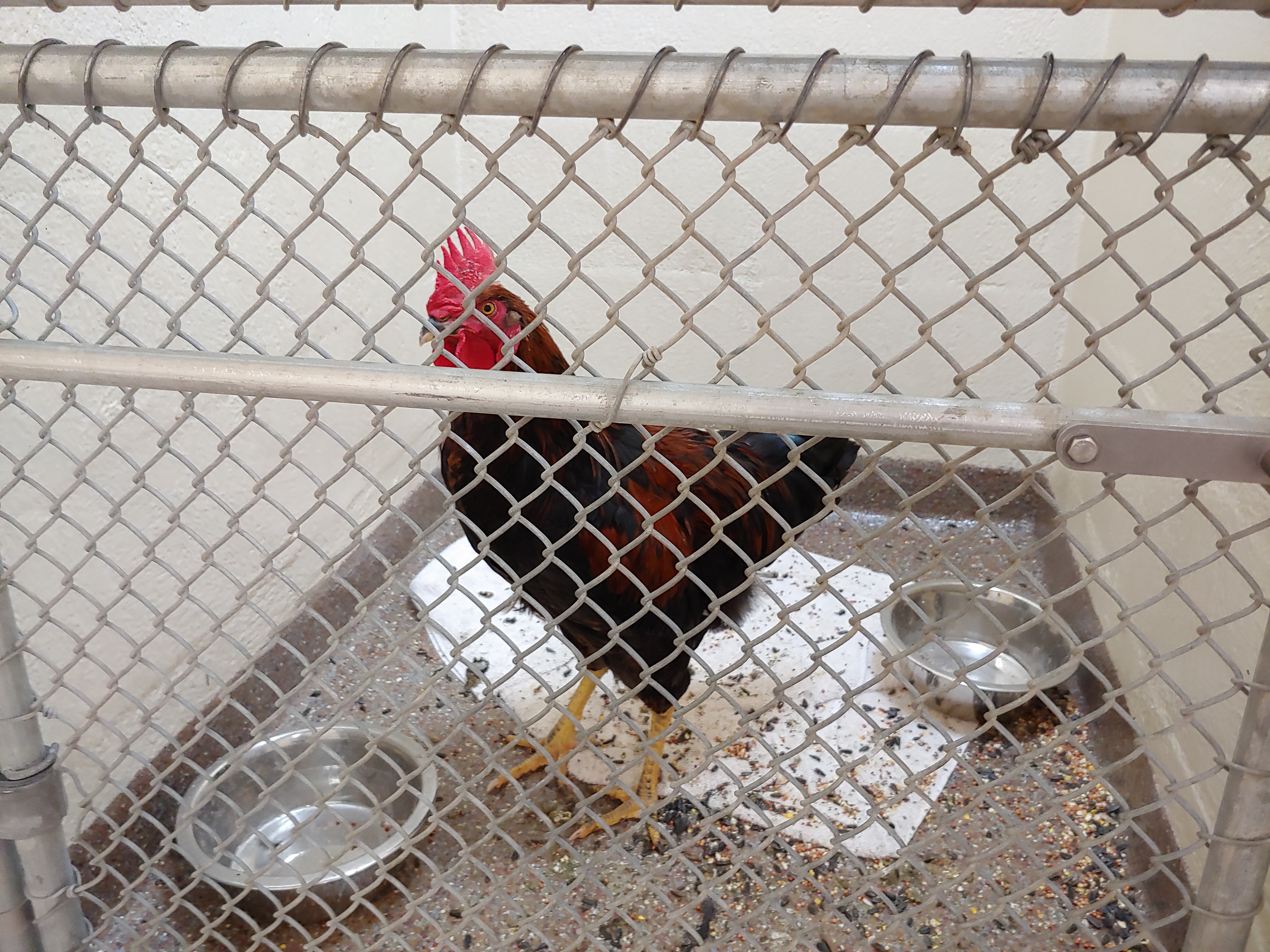
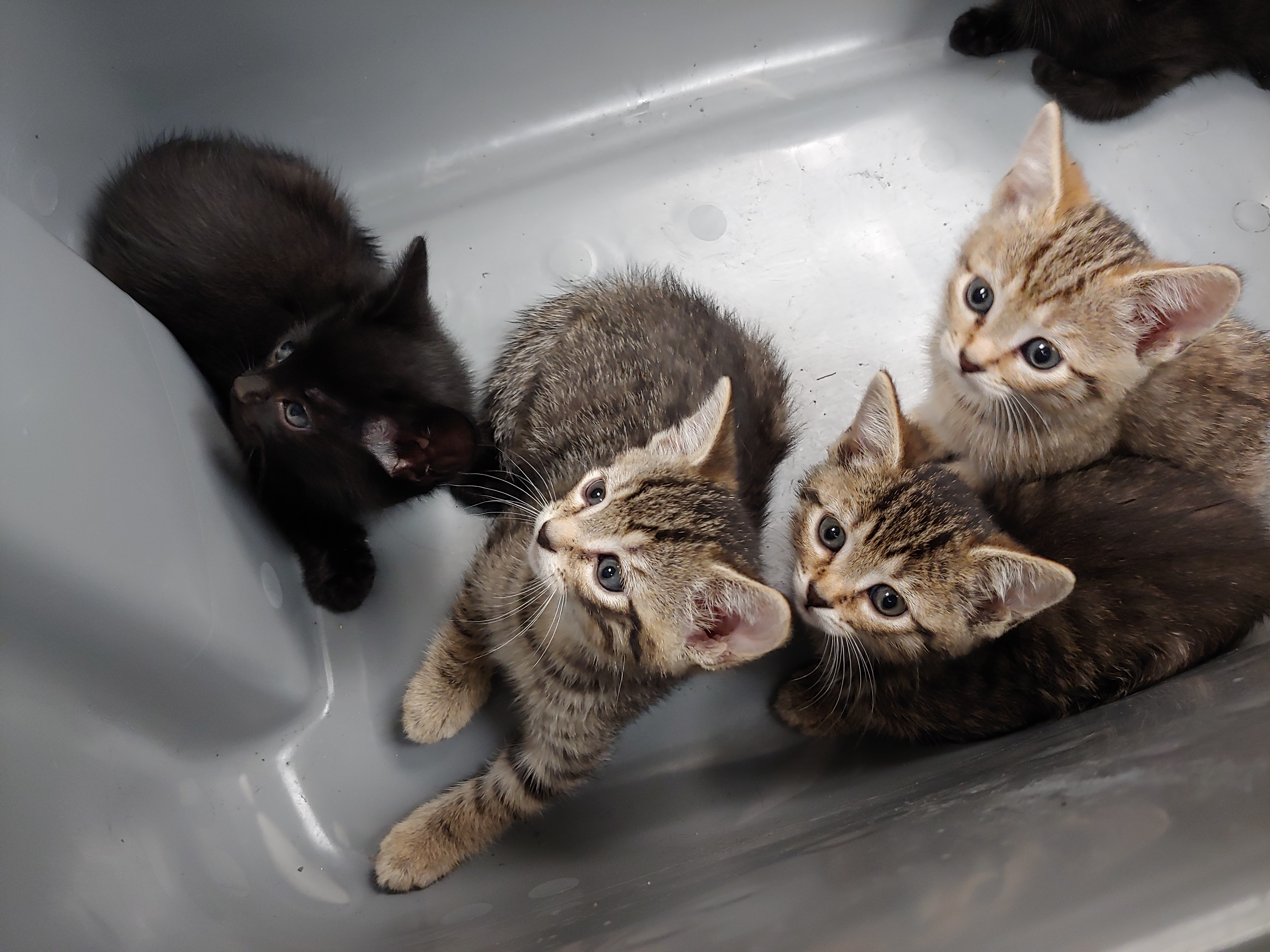
The real answer to, “Ok so why?” sounds cliched but this is the career I’ve always felt the most fulfilled in. I feel there is something deeply special about being there for animals when they are between homes, and don’t have anyone but our team to look after them. The pictures I’ve added to this post (well, I didn’t interact much with the rooster) are of animals I remember clearly, sometimes years later. I get to go into work and show these animals love and care at a time when they don’t have a home.
And even though the people aren’t always at their best, I appreciate being able to help folks when they’re at a really crap point in their lives. No one surrenders a pet for fun, and I’m a firm believer that sometimes a kind word can make a huge difference for a person who is Going Through Some Things. Sometimes people need a little compassion and understanding for their struggles. I’m human, I won’t claim to never get frustrated. But when I remember times I was struggling and needed someone to listen, I remember I can be that person for someone else.
I 100% understand why it’s not a career for everyone, it is absolutely not playing with cute puppies and kittens all day. (Neither is a career in veterinary medicine, for the record.)
What am I excited about in my professional career?
I recently had the opportunity to complete the Animal Shelter Management Certificate Program through the University of the Pacific. I learned a lot about animal sheltering as a whole, and it was a great way to re-evaluate my retail management experience in comparison to shelter management.
I’ve also been doing a lot of smaller programs like the TNR Certification and Surrender Prevention Certification workshops offered by the Community Cats Podcast and Neighborhood Cats. I’ve done the Fear Free Shelters program, and I’ve participated in a few online shelter related conferences.
I’ve been listening to a number of related podcasts to continue learning more. The Uncharted Veterinary Podcast with Dr. Andy Roark is primarily veterinary focused, but has excellent ideas that can be applied in any animal related field. IntroVETS and Tails from a Vet Tech are also excellent.
My next planned goal is enrolling in classes to become a licensed vet tech. I deeply dig the community and TNR focused parts of what I do, and I have entirely too many years of retail management in my back pocket – but the medical side has always fascinated me. I was one of those kids who wanted to be a vet before I realized how expensive that is, among other factors. I don’t plan to completely change career paths, per se, as much as anything I learn in the animal field is going to help me regardless of how my career in sheltering progresses.
As of this writing, the Penn Foster program has been looking like the best fit for me as it appears to be a true learn at your own pace program. It feels like that’s the best way to take advantage of my tendency to hyperfocus. I also know a few techs who have had great luck with that particular program.
There’s been some discussions in online Penn Foster groups about changes the school is making to their program, and I’m following those to see what happens. I also always planned to take a few months off after the Shelter Management program (I completed it in May).
Blaugust might end up being a nice bridge between a full rest break and having to write for school again.
EDIT: I completely forgot the other thing I’m excited about! I recently did some successful fundraising for my shelter through livestreaming. Animal shelters in general do a lot of fundraising, but gaming livestreams aren’t an area many of them are familiar with. Some of the teachers in my classes at the time, and my coworkers, were super interested in and supportive of my efforts and that will eventually be its own post. 🙂
Curious about #Blaugust2023? Visit the Blaugust 2023 is Coming page, where you can also join the Discord. Or check out #Blaugust2023 on social media.











I know I said this over on Mastodon, but props to you for having such a huge heart to serve animals in need!
LikeLiked by 1 person
❤ Thank you! It's actually really nice to hear that. I'm like most people and spend more time thinking about where I fall short than where I'm really doing something, so hearing it from someone else helps me refocus. 🙂 I really do love the work, even if I'm not in love with every moment of every day, if that makes sense.
LikeLiked by 1 person
Really interesting post. Thanks for going into detail about how it all works.
And geez! That’s a big cat! Someone I work with has a Maine Coon but if he was that size he’d be bigger than she is!
LikeLiked by 1 person
Probably if I was smart, I would have just approved one comment instead of approving them both and then deleting one, derp! And thank you! I might do another one at some point. I meant this one to be more “A Day In The Life,” but by the time I laid the groundwork it was already pretty long.
LikeLike
Pingback: Working At An Animal Shelter | Part Two (#Blaugust 2023 #19) | LFGryph